
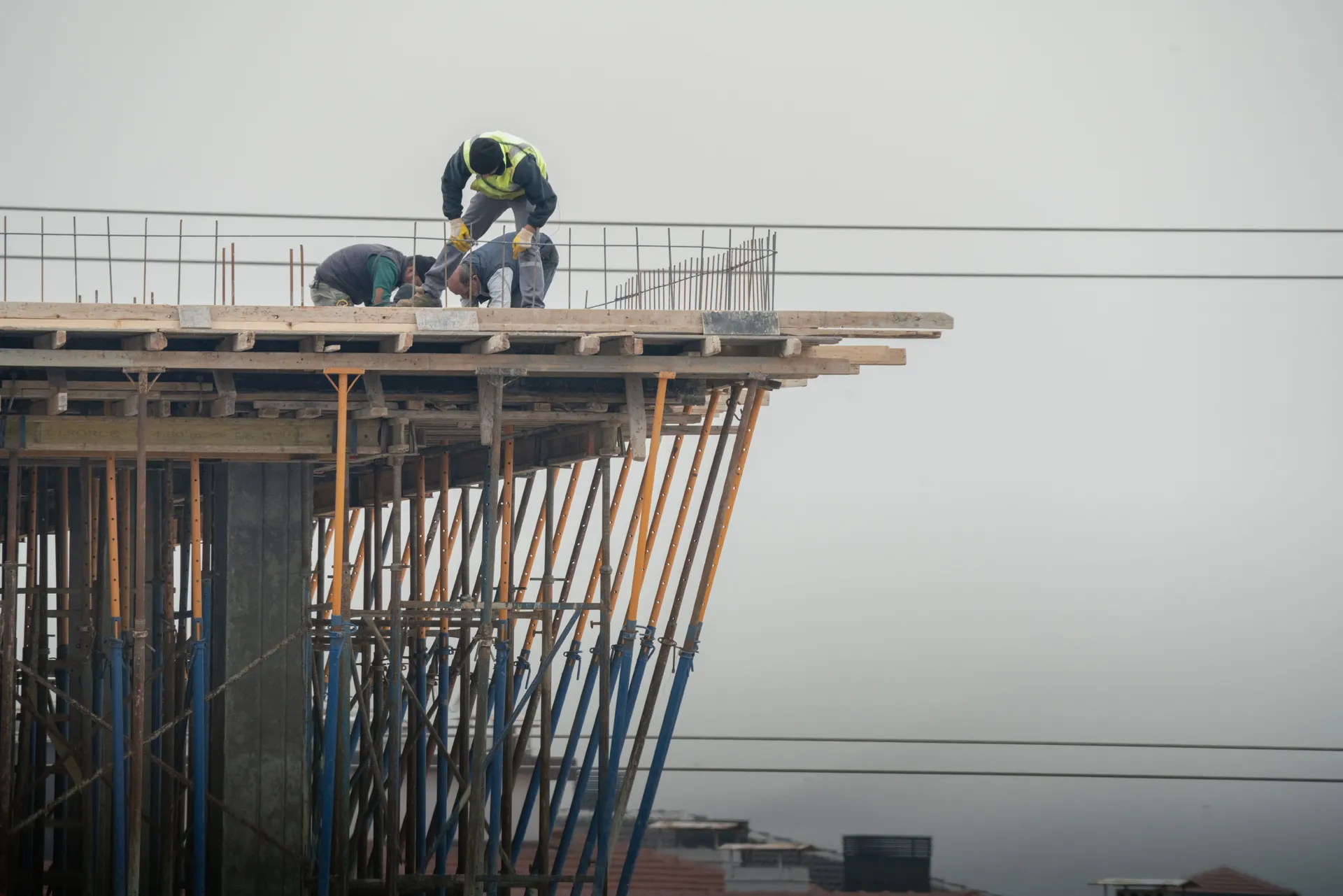
How much does a riad renovation cost in Marrakech: understanding the budget before launching your project

Renovating a riad in Marrakech is a project that is technical, architectural and emotional all at once. Behind the rammed-earth walls, bright courtyards, old zellige, carved wooden ceilings and sometimes irregular volumes, every riad has its own story.
This is precisely what makes the question “how much does a riad renovation cost in Marrakech” so important, yet impossible to answer with a standard price.
The cost of a riad renovation in Marrakech depends on many factors:
- the condition of the building;
- the existing structure;
- site accessibility;
- the desired level of finish;
- the presence of traditional features to restore;
- interior architecture needs;
- technical constraints;
- the final use of the property.
A riad intended as a family home is not prepared in exactly the same way as a riad turned into a guesthouse, boutique hotel or high-end rental investment.
With BARJAL, the approach rests on a simple idea: before talking budget, you need to understand the building, the project and the client’s priorities. A successful renovation in Marrakech is not just about redoing surfaces. It requires an overall vision, serious coordination and controlled execution, from the first analysis through to handover.
Why riad renovation prices vary so much in Marrakech
A riad is not a new apartment, nor a contemporary villa built on open land. It is an existing building, often located in the medina or a dense urban fabric, with particular constraints.
Two riads of similar size can require very different budgets.
The first factor is the overall condition of the building. Some riads mainly need a cosmetic renovation: paint, coverings, joinery, bathrooms, kitchen, lighting, decoration and finishes. Others require heavier work on the structure, floors, load-bearing walls, waterproofing, technical networks or roof.
The second factor is the desired level of transformation. An owner who wants to preserve the riad’s traditional layout will have a different project from an investor who wants to create several suites, optimise circulation, add a professional kitchen, fit out a rooftop or adapt the place for hospitality.
The third factor concerns the level of finish. Traditional Moroccan materials, zellige, tadelakt, worked wood, wrought iron, stone, bespoke lighting and craft details can bring exceptional value to the project, but they require time, precision and suitable coordination.
Finally, site organisation strongly influences the budget. Access to the riad, logistics in the medina, rubble removal, material supply, coordination of craftsmen and keeping to schedule must all be anticipated from the start.
The main cost items in a riad renovation
To understand how much does a riad renovation cost in Marrakech, you need to look at the project item by item. A serious estimate is never just a floor area multiplied by an approximate price. It must reflect the reality of the building and the client’s expectations.
The initial survey of the riad
Before any renovation, a technical visit is essential. It makes it possible to observe:
- the condition of the walls;
- the floors;
- the roof;
- openings;
- existing networks;
- damp;
- ventilation;
- circulation;
- the volumes.
This stage helps distinguish what can be kept, what must be reinforced and what must be completely rethought.
At BARJAL, this reading of the building avoids hasty decisions that can prove costly later. An old riad requires a careful approach, because some constraints only appear once you truly understand its structure and history.
Design and interior architecture
A successful riad renovation starts with a clear vision.
Design can include:
- redistribution of spaces;
- the choice of materials;
- creating bathrooms;
- fitting out the bedrooms;
- treatment of the courtyard;
- highlighting existing features;
- designing the rooftop;
- integrating furniture or decorative details.
Interior architecture plays a central role, especially in Marrakech, where a riad’s charm relies on the balance between Moroccan authenticity and contemporary comfort.
BARJAL supports this phase with an integrated approach: thinking about design, technique and execution together.
Structural works
This is often the most decisive item in the budget.
It can include:
- reinforcing certain parts of the building;
- repairing walls;
- treating floors;
- opening or closing passages;
- repairing the roof;
- building staircases;
- adapting volumes.
In a riad, structural work must be handled carefully. It is not just about building, but about respecting an existing structure. Every intervention must consider stability, old materials and the building logic of the place.
Waterproofing, damp and ventilation
Damp problems are common in old buildings.
A serious renovation must include:
- diagnosing leaks;
- treating rising damp;
- ventilating the rooms;
- waterproofing the terraces;
- protecting exposed areas.
Ignoring these points can compromise finishes, degrade materials and lead to repeated repairs.
That is why BARJAL treats invisible technical issues as just as important as visible decorative elements.
Technical networks
Electricity, plumbing, air conditioning, drainage, hot water, lighting, ventilation, security and connectivity must be adapted to the riad’s final use.
A private riad, a guesthouse or a commercial project do not have the same requirements.
Renovating the networks is often one of the key moments of the site. It must be planned before the finishes to avoid costly rework.
Good coordination between design and execution limits errors, delays and improvisation.
Materials and finishes
The final cost depends heavily on the level of finish.
The following elements can transform the atmosphere of a riad:
- tadelakt;
- zellige;
- bejmat;
- carved wood;
- natural stone;
- ironwork;
- bespoke joinery;
- mineral paint;
- lighting;
- sanitary ware;
- taps and fittings;
- kitchen;
- built-in furniture.
The choice of materials must be aesthetic, but also practical. A material suited to a private home will not always be ideal for a riad hosting guests all year round.
BARJAL helps find the balance between beauty, durability, maintenance and architectural coherence.
Restoring traditional features
Some riads have old ceilings, wooden doors, arches, zellige, columns, wall niches or decorative details that deserve to be preserved.
Restoring them requires particular care and sometimes the involvement of skilled craftsmen.
This work should not be confused with simple decoration. Restoring an old element means understanding its value, its technique and its place within the whole project.
This sensitivity is part of the approach of BARJAL for renovations in Marrakech.
Fitting out the courtyard and rooftop
The courtyard is the heart of the riad. It shapes the light, circulation, atmosphere and experience of the place.
Its treatment can include:
- fountain;
- planting;
- floor covering;
- lighting;
- joinery;
- seating;
- circulation;
- harmony of the inner façades.
The rooftop, for its part, is often a strategic space in Marrakech. A terrace, outdoor lounge, dining area, pergola, pool, relaxation space or medina view can add strong use value to the project, provided they are carefully designed technically and architecturally.
Site management and coordination
The cost of a riad renovation does not depend only on materials and works. It also depends on the quality of coordination.
A poorly organised site can lead to:
- delays;
- rework;
- conflicts between trades;
- budget overruns;
- a loss of coherence in the final result.
BARJAL positions itself as an integrated partner for design, construction, renovation, restoration and project management in Marrakech.
The aim is to coordinate decisions, teams, materials and stages to move forward methodically.
The different levels of riad renovation
Not all projects require the same depth of intervention. To better understand the budget, it helps to distinguish several levels of renovation.
Refresh and cosmetic upgrade
This type of intervention concerns a riad that is generally sound, with no major structural problems.
The works mainly cover:
- paintwork;
- surface finishes;
- bathrooms;
- the kitchen;
- lighting;
- light joinery;
- furniture;
- decoration.
This is generally the simplest option, but it still requires good visual coherence. A poorly thought-out refresh can give a superficial result or one that clashes with the soul of the riad.
Complete renovation
A complete renovation concerns the whole building.
It can include:
- services;
- floors;
- walls;
- ceilings;
- bathrooms;
- the kitchen;
- openings;
- the courtyard;
- the rooftop;
- finishes;
- partial reorganisation of the spaces.
This is often the case when an owner wants to turn an old riad into a comfortable residence, a second home or a quality rental property.
Heavy renovation with technical rework
In some cases, the riad needs structural work, roof repairs, major damp treatment, rebuilding of certain areas or a complete upgrade of the networks.
The budget then becomes more technical and must be studied precisely.
This type of project requires a company able to manage complexity, coordinate the trades and protect the building’s architectural integrity.
Heritage restoration or renovation with high craft value
When a riad has remarkable traditional features, the renovation can include a restoration dimension.
Choices must then respect the character of the place while bringing the comfort expected today.
This type of project requires real architectural sensitivity. Overly standardised interventions that distort the riad must be avoided, while ensuring solid, lasting execution.
Conversion into a guesthouse or hospitality project
A riad intended to welcome the public or travellers requires deeper thinking.
You need to think about:
- the quality of the bedrooms;
- bathrooms;
- acoustics;
- circulation;
- the kitchen;
- storage;
- service areas;
- the terrace;
- lighting;
- maintenance;
- durability of materials;
- the guest experience.
The budget must include not only the works but also the future use of the place. A successful hospitality project relies on a combination of charm, functionality, solidity and ease of operation.
Why a serious estimate requires a technical visit
The question “how much does a riad renovation cost in Marrakech” cannot receive a reliable answer without visiting the property. A price given without analysis can be misleading, especially in an old building.
A visit makes it possible to understand the real constraints:
- condition of the structure;
- quality of the existing networks;
- site access;
- damp;
- roof;
- structure;
- usable areas;
- elements to keep;
- expected level of finish;
- complexity of the schedule.
It is also the moment to align expectations. The owner can specify the goal: private residence, rental, guesthouse, resale, family project, boutique hotel or commercial space.
Each use influences technical choices and budget.
How to prepare your budget before contacting a company
Even before a detailed estimate, you can prepare your project methodically.
Start by defining the riad’s final use. Will it be used as a personal home, rental investment, guesthouse or professional project? This decision influences almost everything: layout, materials, equipment, comfort level and finishes.
Next, identify your priorities:
- preserving as many old features as possible;
- creating a more contemporary design;
- adding bathrooms;
- fitting out a rooftop;
- rethinking the courtyard;
- improving thermal comfort;
- planning for commercial operation.
Also prepare visual references. They help convey the desired atmosphere, even if the final project must remain suited to the building.
Finally, keep some room for decisions. In an old riad, some discoveries can appear during works. Good management means anticipating, documenting and deciding, rather than improvising.
Common mistakes that increase the cost of a renovation
The first mistake is choosing only on the lowest price. In a riad renovation, an overly quick estimate can hide important omissions: networks, damp, structure, roof, logistics, finishes or coordination.
The second mistake is starting works without an overall vision. Changing a bathroom, moving a partition or redoing a floor can affect plumbing, electricity, lighting or ventilation.
The third mistake is neglecting damp and waterproofing. Even the most elegant finishes will not last if the technical basics are not dealt with.
The fourth mistake is completely separating design and execution. When the design ignores the site, or the site does not understand the architectural intention, the result can lose quality.
The fifth mistake is modernising without respecting the riad’s identity. A good project is not about erasing the past, but about striking a balance between memory, comfort and contemporary use.
The value of a design-build approach for renovating a riad in Marrakech
Design-build brings design, coordination and execution together in an integrated logic.
For a riad renovation, this approach can bring real value.
It better links the architectural intention to technical constraints. Material choices, finishing details, networks, volumes and schedule are thought through together.
It also makes communication easier. The owner does not have to manage several separate contacts who do not always share the same vision. The project gains clarity, coherence and control.
In Marrakech, where projects often combine heritage, craftsmanship, modern construction and urban constraints, this approach is particularly relevant.
BARJAL supports projects with this integrated logic, from concept to execution.
BARJAL: a riad renovation designed as a complete project
BARJAL works in Marrakech in construction, renovation, restoration, interior architecture, site management and the delivery of residential, commercial and hospitality projects.
For a riad, the challenge is not just to renovate. You need to understand the place, protect what deserves protecting, modernise what needs modernising and deliver a space consistent with its intended use.
The BARJAL approach rests on several principles:
- technical analysis;
- architectural sensitivity;
- coordinating trades;
- respect for the Moroccan context;
- quality of execution;
- clear client support.
Whether it is a family riad, a guesthouse, an investment project or a commercial venue, BARJAL helps turn the initial idea into a feasible, structured and lasting project.
FAQ
How much does a riad renovation in Marrakech cost on average?
The cost depends on the riad’s condition, floor area, level of finish, technical works, restoration of old features, site accessibility and the final use of the property. A reliable estimate requires a technical visit and a detailed analysis of the project.
Why can riad renovation prices vary so much?
Because every riad is different. Some only need a cosmetic update, while others require structural work, a complete renovation of the networks, damp treatment or craft restoration.
Should I plan an extra budget for unexpected issues?
In an old building, it is wise to keep some room for decisions. Some issues can appear during works, especially behind coverings, in the networks or in the structure. Good preparation limits surprises.
Is a riad renovation more complex than a standard renovation?
Yes, often. A riad can have access constraints, old materials, craft details, a layout centred on the courtyard, damp problems or a structure that needs careful analysis. This requires suitable expertise.
Can you keep the traditional style while adding modern comfort?
Yes. It is even one of the aims of a successful renovation. You can preserve the riad’s Moroccan soul while adding air conditioning, modern bathrooms, lighting, a functional kitchen, thermal comfort and contemporary fittings.
Why choose BARJAL to renovate a riad in Marrakech?
BARJAL combines construction expertise, project management, interior architecture, sensitivity to existing buildings and knowledge of the Marrakech context. The aim is to support the client with a clear vision, from design to execution.
Conclusion
Answering the question “how much does a riad renovation cost in Marrakech” takes more than a quick figure. The real point is to understand what the riad requires, what the owner wants to create and how to transform the building methodically.
A successful riad is not measured by its finishes alone. It shows in the quality of its structure, the coherence of its spaces, the beauty of its details, the comfort of its use and the accuracy of its dialogue with Marrakech.
To prepare your project seriously, BARJAL supports you with the analysis, design, renovation, restoration, interior architecture and complete execution of your riad in Marrakech.